
Why one industrial partner saves time, money and reduces risk



The challenge of managing multiple contractors
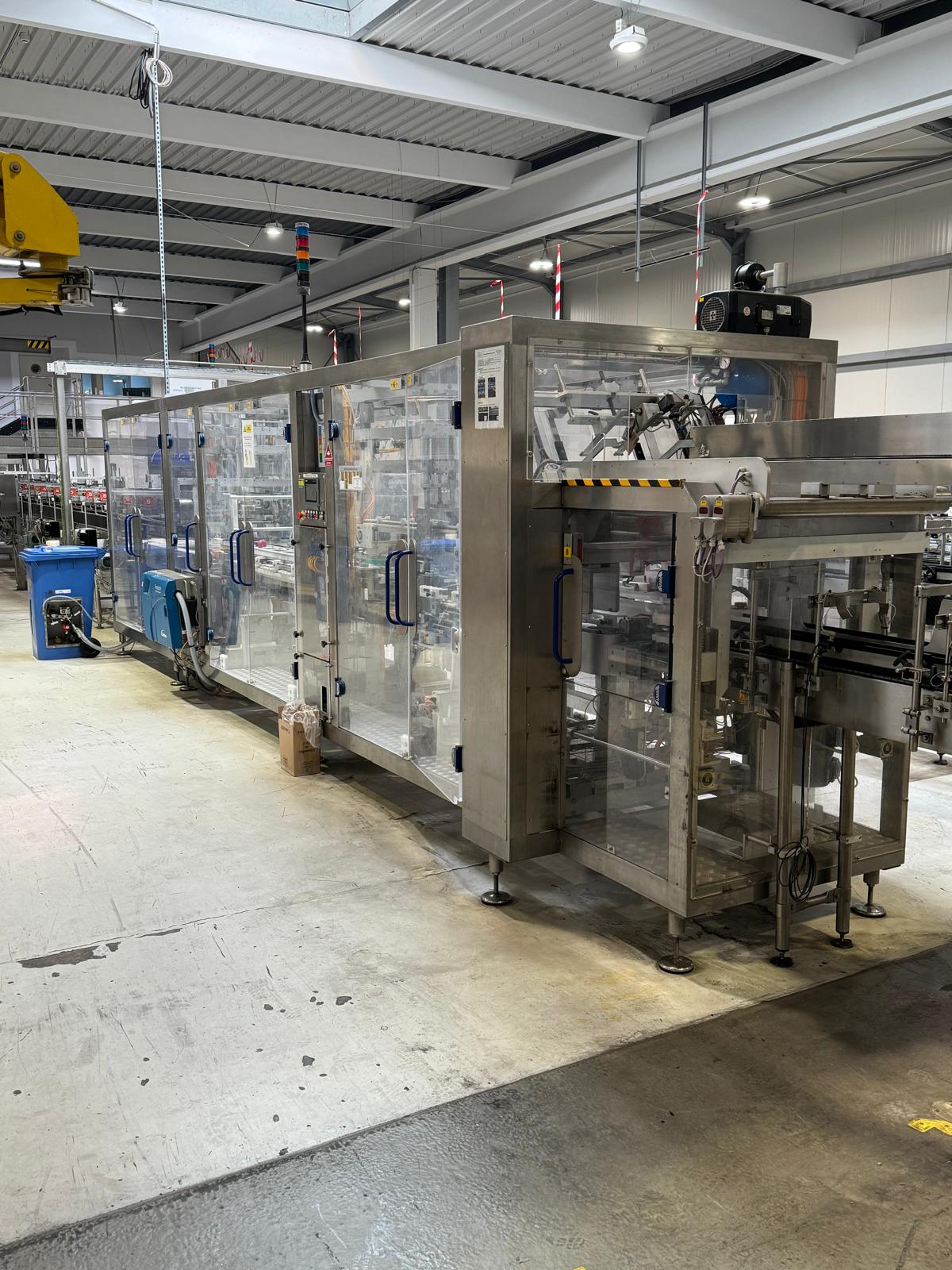
Imagine relocating a complete production line.
One company is responsible for dismantling the machinery, another provides the cranes. A transport company moves the equipment to its next destination. A packing specialist prepares the export shipment. A warehouse stores the machinery until the new facility is ready. Finally, an installation team rebuilds the production line.
Each company may perform it’s own work well, but who ensures every stage connects perfectly? When several suppliers are involved, project managers often spend significant time coordinating schedules, resolving communication issues and managing unexpected changes.
Instead of focussing on the relocation itself, valuable time is spent managing interfaces between contractors.
Industrial relocations are among the most complex projects a manufacturing company can undertake. Whether you’re relocating a single production line, moving heavy machinery across Europe or transferring an entire factory.
Every relocation involves multiple disciplines that must work together seamlessly. Engineering, dismantling, lifting, packing, transport, temporary storage and reinstallation all have to be carefully coordinated. Yet many companies still appoint a different contractor for each stage of the project.
While this may seem like a flexible approach, it often creates unnecessary complexity, higher costs and increased project risks.
In this article, we explain why working with one integrated industrial relocation partner can make all the difference.
One point of contact
One of the greatest advantages of working with a single industrial relocation partner is having one dedicated point of contact throughout the project.
Rather than coordinating multiple suppliers, customers communicate with one experienced project manager who oversees every phase.
This creates:
- Clear communication
- Faster decision-making
- Better planning
- Consistent project updates
- Greater accountability
Most importantly, it reduces the chance of misunderstandings between different contractors.
Better planning means less downtime
For manufacturers, production downtime is often one of the biggest concerns. When all project phases are managed by one partner, planning becomes far more efficient.
Engineering, dismantling, packing, transport and installation can be scheduled as one integrated process instead of several independent activities.
This allows different teams to work in parallel whenever possible, helping to shorten the overall project duration.
Engineering before execution
Successful industrial relocations begin long before the first machine is lifted. An integrated relocation partner considers the complete project from the very beginning.
Questions such as:
- How will the machinery be dismantled?
- Which lifting equipment is required?
- Does the transport require permits?
- Will temporary storage be needed?
- Is export packing necessary?
- How will the equipment be reinstalled?
By considering every phase in advance, potential challenges can often be solved before they affect the project.
Combining specialist disciplines
Industrial relocation is much more than simply moving machinery. It combines a range of specialist disciplines that must work together seamlessly to ensure a safe, efficient and successful project. By working with an integrated partner, all these disciplines are managed within a single project structure, improving coordination and reducing risks.
Every relocation starts with detailed engineering, careful planning and thorough risk assessments. From there, experienced technicians disconnect, document and dismantle machinery before reinstalling it at the new location.
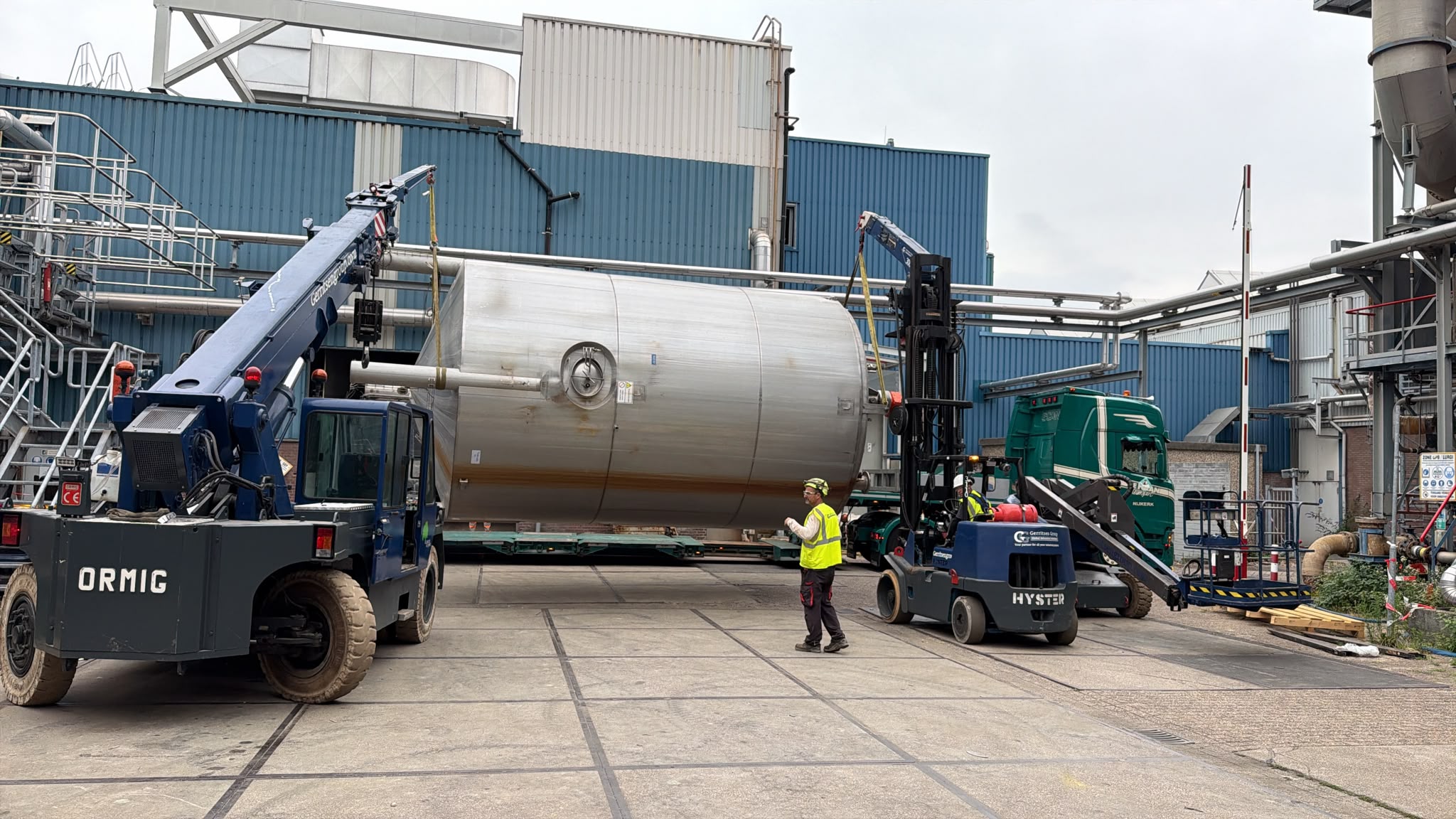
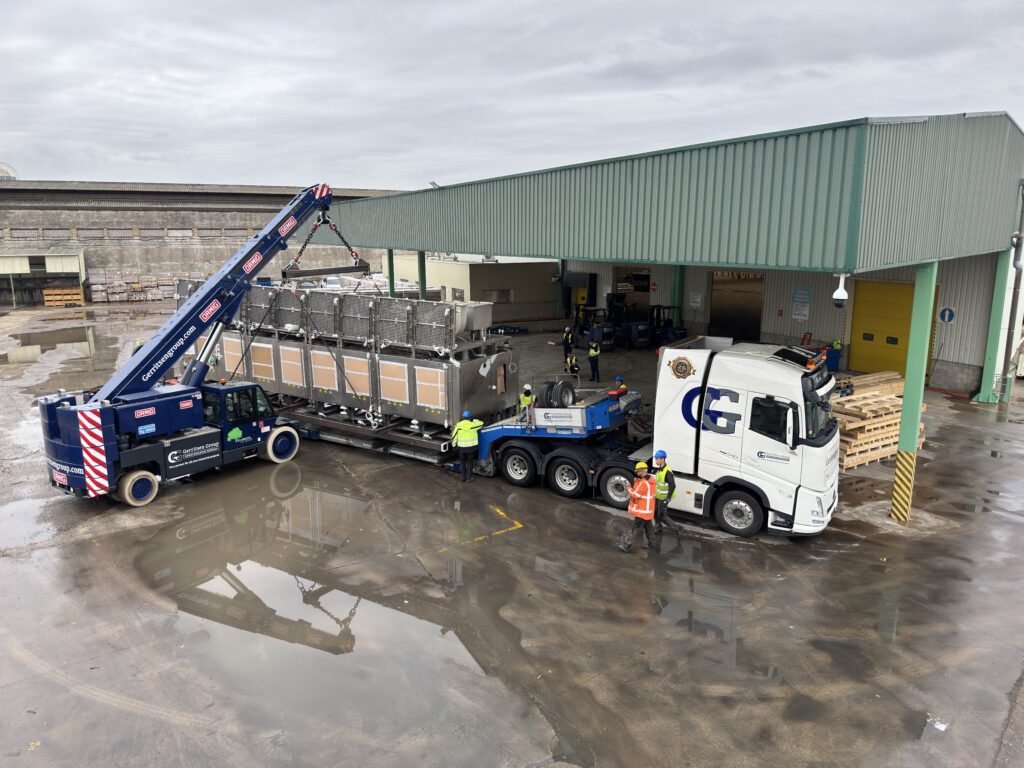
Many projects also involve heavy lifting. Whether equipment needs to be positioned inside a production hall or lifted with mobile cranes outdoors, selecting the right lifting method helps maximise both safety and efficiency.
For international relocations, specialist export packing protects valuable equipment against moisture, corrosion and transport damage. Custom-made skids, export crates and vacuum packing ensure machinery arrives safely and in the right condition.
Transport is another essential part of the process. Depending on the equipment and destination, this may include standard road transport, exceptional transport or multimodal logistics. Each movement must be carefully planned to fit the overall project schedule.
Not every relocation is completed in a single step. When equipment cannot be installed immediately, secure temporary storage provides the flexibility to bridge the gap before installation or export.
A complete industrial relocation under one roof
Industrial relocation is about much more than moving machinery.
It requires technical expertise, careful planning and close cooperation between multiple specialist disciplines. At Gerritsen Group, these disciplines are brought together within one organisation.
Throughout our specialist companies, we offer a complete range of industrial relocation services:
Project management, engineering, industrial dismantling, machinery installation and complete factory relocations.
National and international transport, exceptional transport and logistics coordination.
Specialist transport, truck-mounted crane services and combined lifting and transport solutions.
Export packing, custom-made skids, export crates and protective packaging for worldwide shipments.
Machinery installation and relocation, contract lifting and industrial storage.
Assets recovery, machinery appraisals, industrial decommissioning, dismantling, resale and auction of surplus equipment, complete factory purchases and sustainable redeployment of industrial assets.
By combining these disciplines, projects are managed as one continuous process rather than a collection of separate activities.
Fewer risks throughout the project
Every additional handover between contractors introduces potential risks: information can be lost, planning can change, unexpected delays can affect the next supplier, etc.
By working with one integrated team, knowledge remains within the same organisation throughout the project. Documentation, planning and communication follows the same process from start to finish, reducing the likelihood of delays, misunderstanding and unnecessary costs.
More efficient use of time and resources
A well-coordinated project also makes more efficient use of both time and resources. By aligning every stage of the process, equipment arrives exactly when it is needed, packing teams know when machinery will be dismantled, transport planners can schedule shipments efficiently, and installation teams receive equipment according to plan.
This integrated approach keeps the project moving smoothly, minimises waiting times and reduces unnecessary downtime for both personnel and equipment.
Take control of your industrial project
Do you have our next challenge?
Industrial relocations are complex by nature, but managing them doesn’t have to be.
Choosing one experienced relocation partner means fewer communication lines, better planning, lower risks and greater efficiency throughout every stage of the project.
Instead of coordinating multiple contractors, manufacturers benefit from one integrated team that understands the complete relocation process, from the initial site survey to the final installation.
The result is a safer project, reduced downtime and a smoother transition back to production.
Whether your project involves relocating a single machine or an entire manufacturing facility, a fully integrated approach provides the confidence that every stage of the relocation is working towards the same goal: keeping your business moving.