
Moving industrial machinery, production lines and entire factories
Industrial relocation is much more than moving machinery from one location to another. It is a carefully planned process that combines engineering, dismantling, lifting, packing, transport, warehousing and reinstallation to ensure valuable equipment arrives safely and production resumes as quickly as possible.
Whether a single machine is relocated to another production hall or an entire factory is moved across Europe, every industrial relocation requires meticulous planning, technical expertise and seamless coordination between multiple disciplines.
In this blog, we explain what an industrial relocation involves, why companies relocate industrial equipment, the challenges that come with these projects and how experienced project management helps minimise downtime and risk.
What is an industrial relocation?
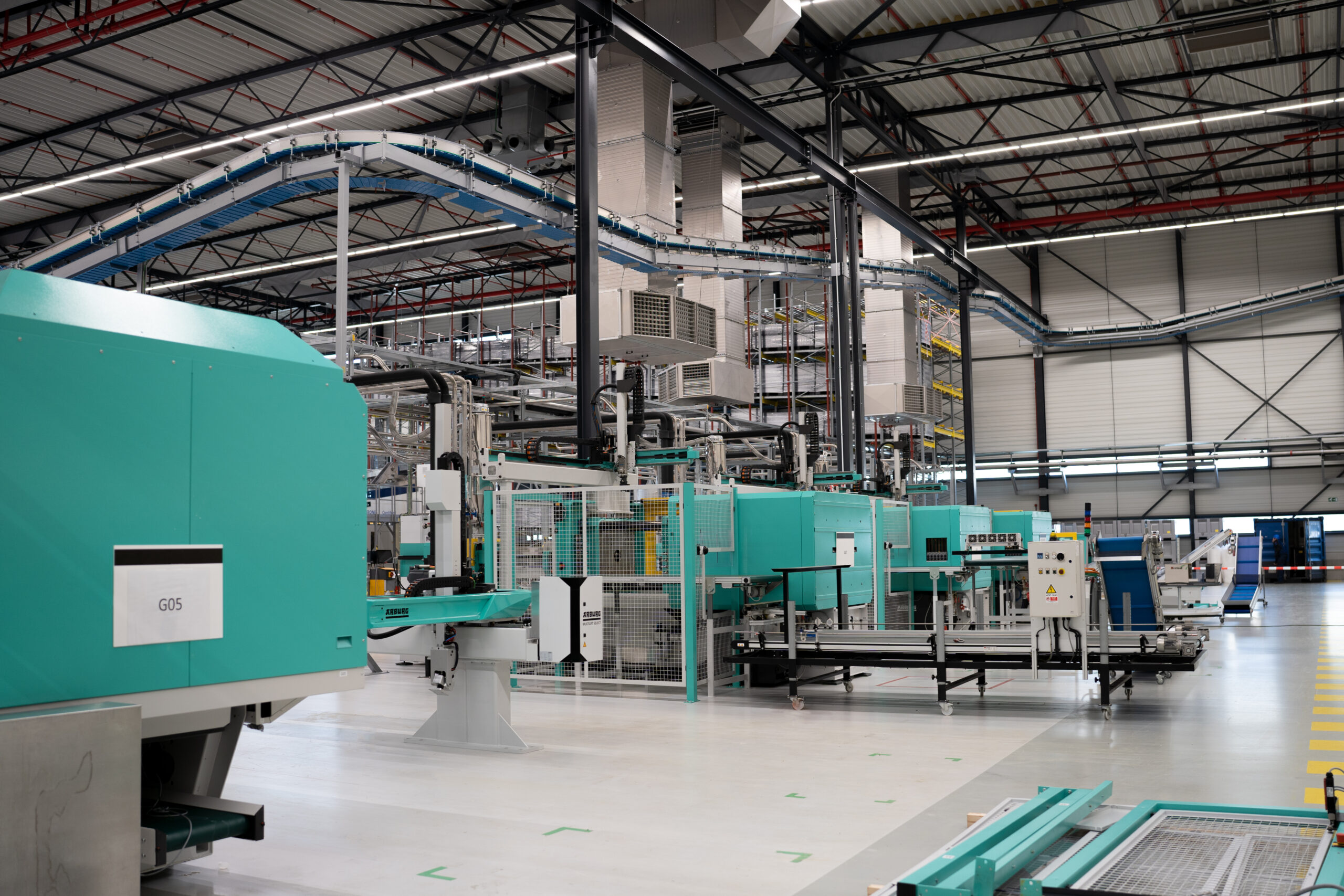
An industrial relocation is the process of relocating industrial assets from one location to another. Depending on the project, this may involve a single production line, a complete production line or an entire manufacturing facility.
Unlike a conventional move, industrial relocations require specialist knowledge. Machines often weigh several tonnes, contain sensitive components and must be disconnected, transported and reinstalled without compromising safety, precision or productivity.
A successful relocation typically includes:
- Site surveys and engineering
- Project planning
- Dismantling machinery
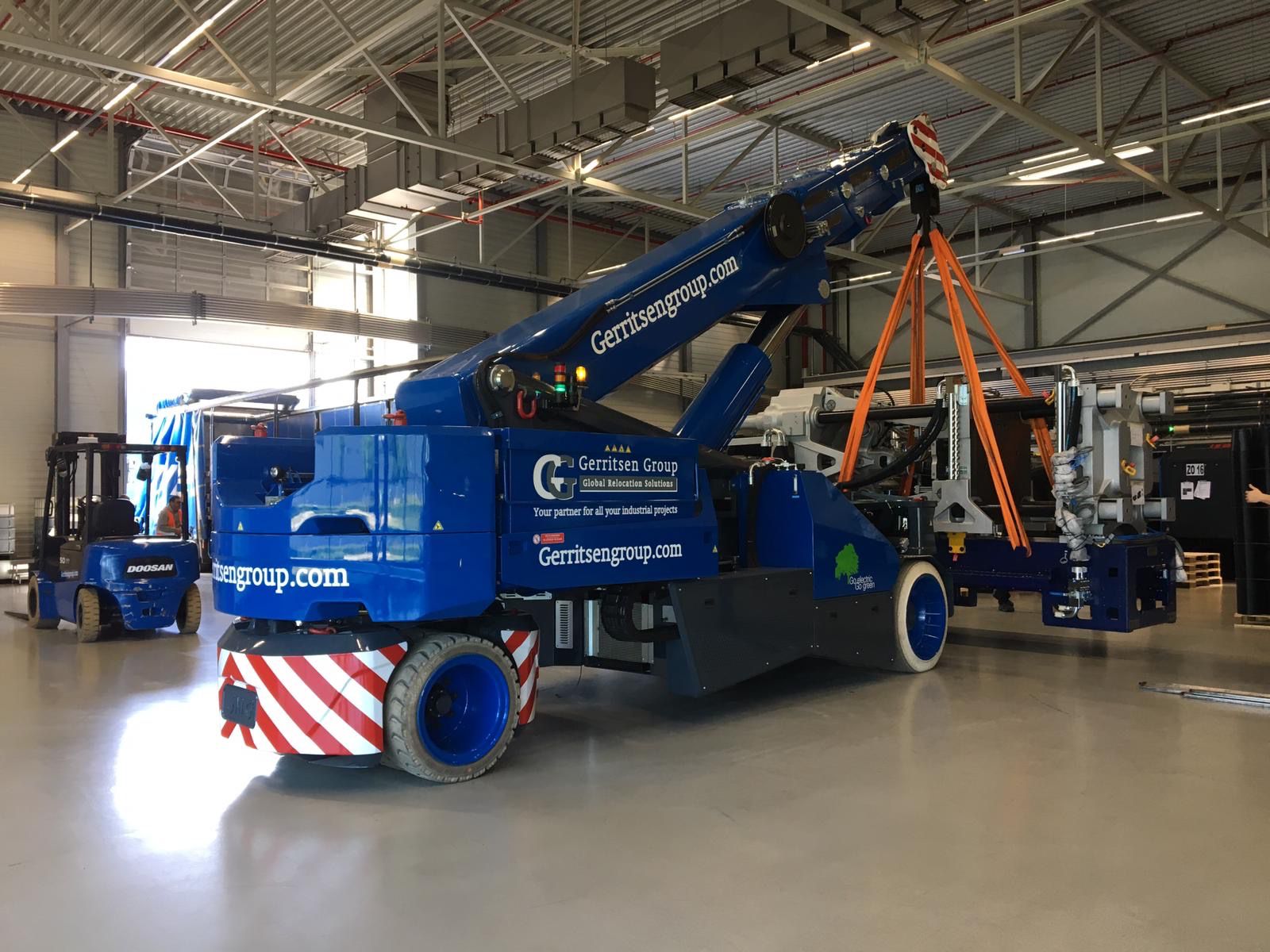
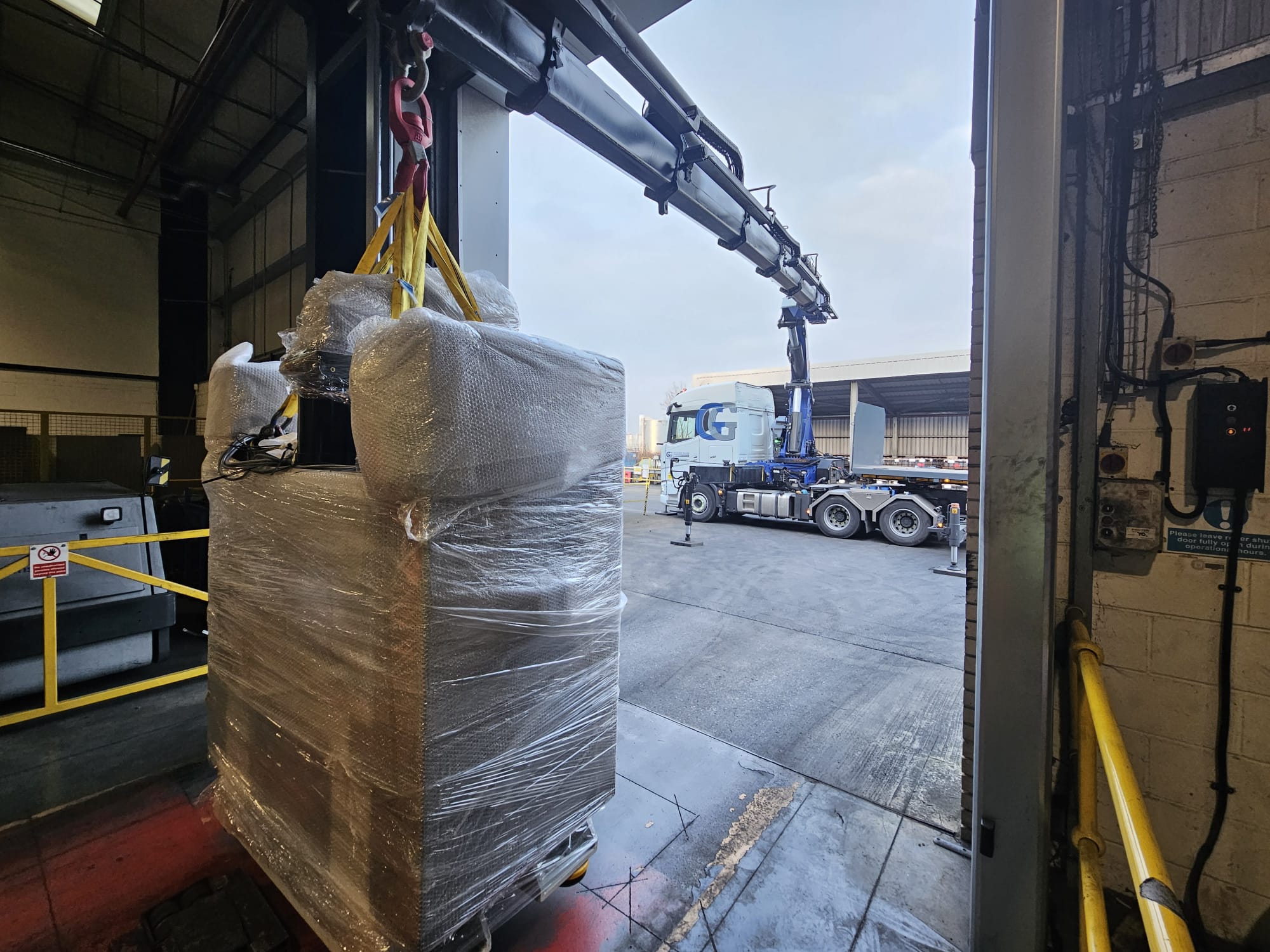
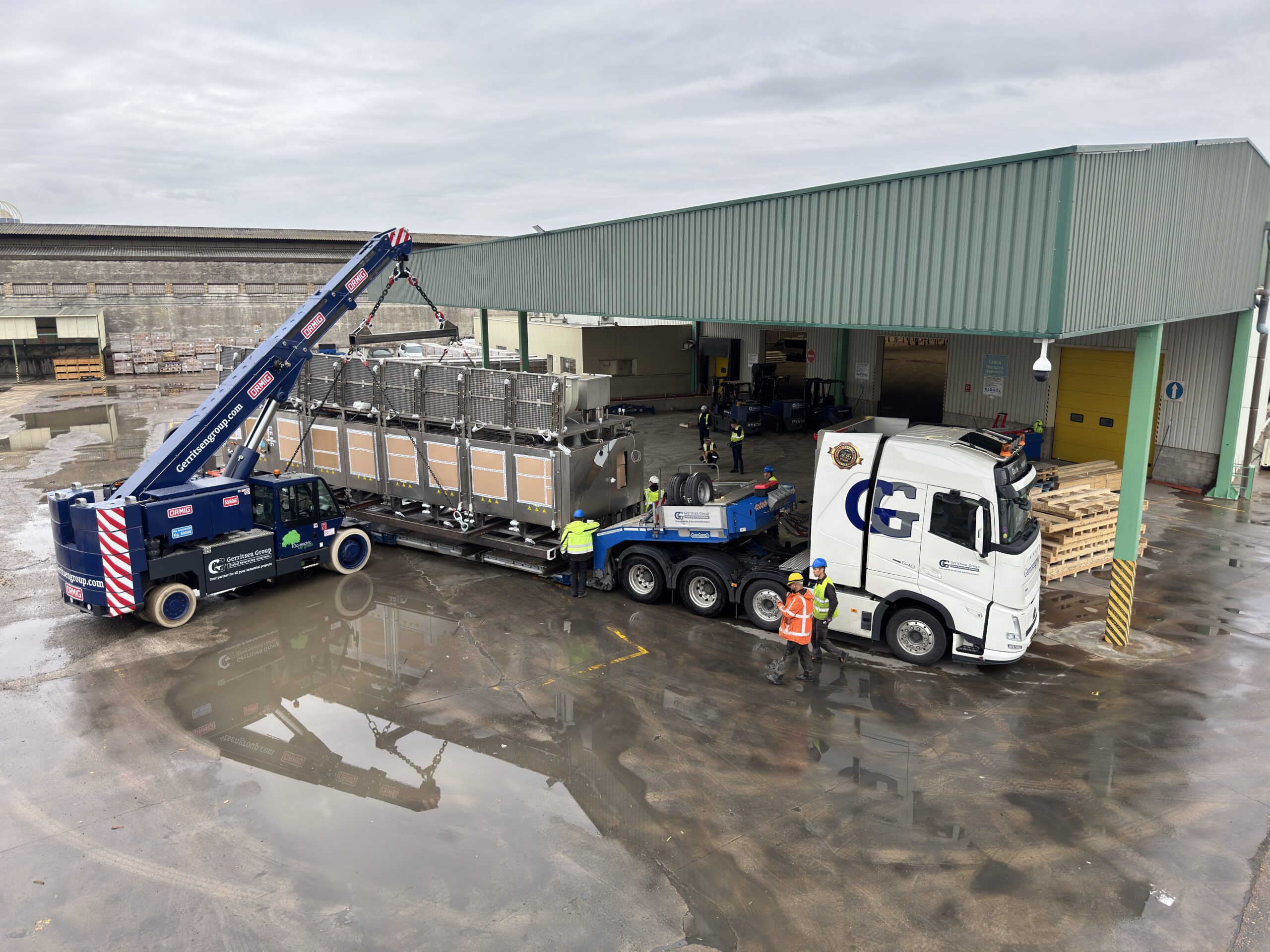
- Heavy lifting operations
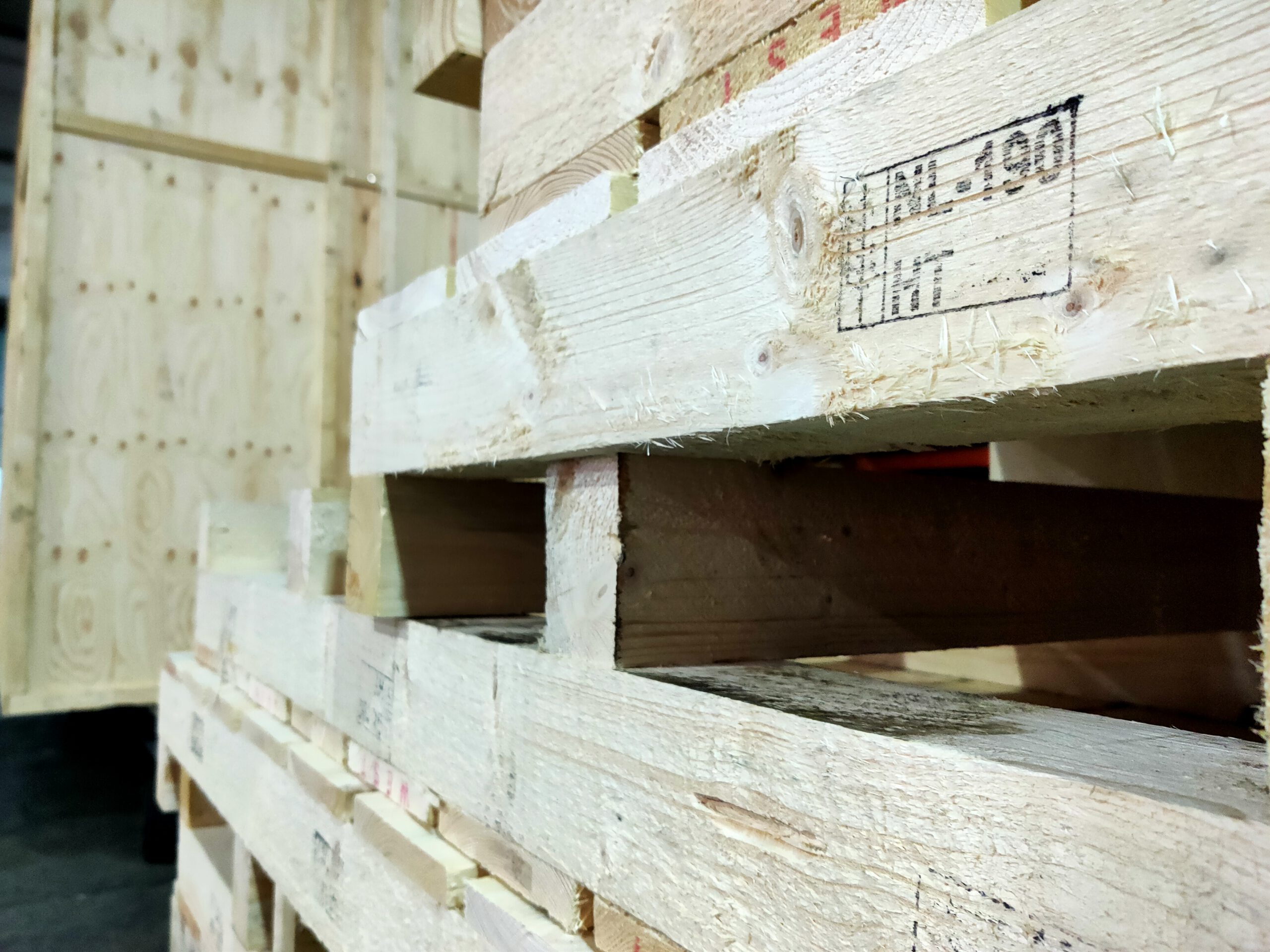
- Export or transport packing
- National or international transport
- Temporary storage if required
- Reinstallation
- Testing and commissioning
Each phase is closely connected. Delays or mistakes during one stage can affect the entire project.
Why companies relocate industrial machinery
Industrial relocations are becoming increasingly common as manufacturers adapt to changing markets, technological developments and business growth.
Some of the most common reasons include:
Factory expansion: As production increases, companies often need larger facilities with additional capacity.
New production facilities: Businesses may open new manufacturing plants closer to customers, suppliers or distribution hubs.
Mergers and acquisitions: Following acquisitions, production lines are frequently consolidated into fewer locations to improve efficiency.
Modernisation: Older machinery may be replaced or relocated as part of factory upgrades.
Industrial relocations: Global manufacturers regularly transfer production equipment between countries to optimise operations.
Site closure: In some cases, companies decide to fully or partially close a production site. This can be due to restructuring, cost optimalisation, relocation of operation or the end of a lease agreement.
Regardless of the reason, one objective remains the same: minimise production downtime while protecting valuable equipment.
The challenges of an industrial relocation
Moving industrial equipment presents challenges that simply do not exist during standard relocation.
Minimising downtime
Every hour a production line is offline can impact productivity, delivering schedules and operational costs.
Careful planning allows multiple activities to take place simultaneously, reducing the total project duration.
Protecting valuable machinery
Industrial machines represent significant investments. During dismantling, lifting and transport they must be protected against mechanical damage, moisture and vibration. Proper packing methods, lifting procedures and transport solutions all contribute to protecting these assets.
Complex logistics
Industrial machinery is often oversized or exceptionally heavy. Transport routes may require surveys, escort vehicles or specialised trailers depending on the dimensions and destination.
Safety
Safety is a critical aspect of every relocation. Heavy lifting operations, confined working spaces, electrical installations and production environments require experienced personnel who follow strict safety procedures.
Why project management is essential
Engineers, lifting specialists, transport planners, packing experts and installation teams all need to work together within a carefully coordinated schedule. Strong project management provides:
- One central point of contact
- Clear communication
- Efficient scheduling
- Risk management
- Coordination between disciplines
- Better control over project progress
This structured approach reduces delays and helps projects stay on schedule.
Why one integrated partner makes the difference
Many industrial relocation projects involve multiple specialist disciplines and managing separate contractors for dismantling, lifting, packing, transport and storage can increase complexity and create communication challenges.
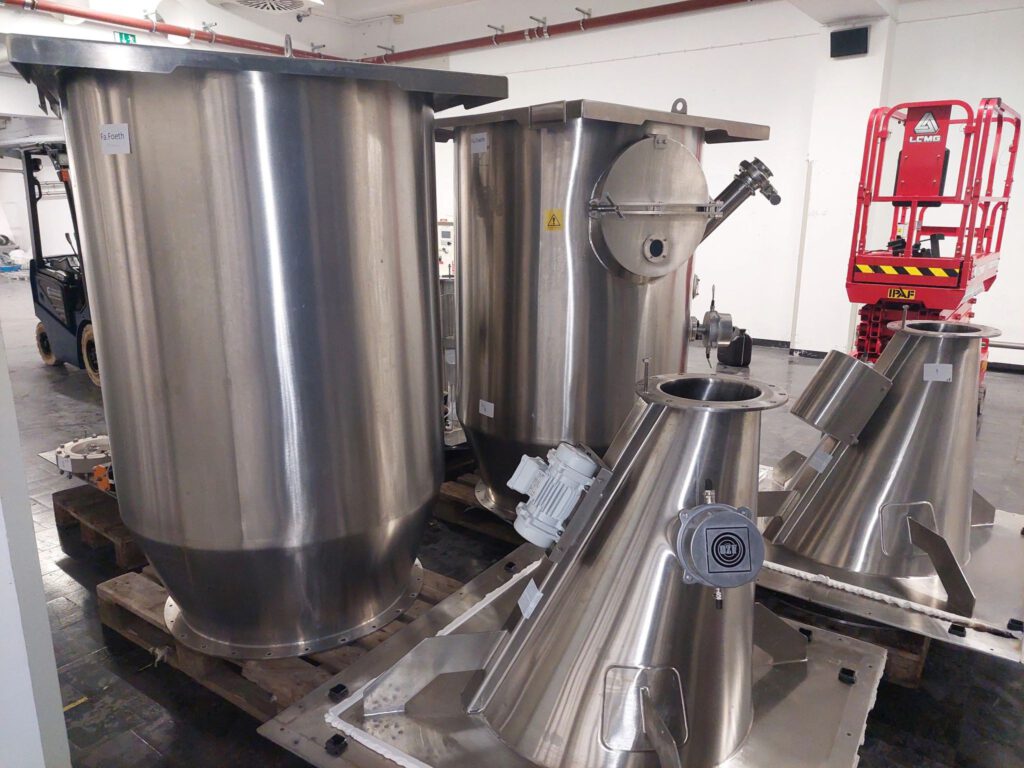
The solution is straightforward. Working with one integrated partner simplifies coordination and allows every phase of the relocation to be planned as one continuous process. Instead of managing multiple suppliers, companies benefit from one experienced team overseeing the entire project, from the initial site survey through to final installation.
Take control of your industrial project
Do you have our next challenge?
Industrial relocations are among the most complex logistics projects in modern manufacturing. Every project combines engineering, dismantling, lifting, packing, transport and installation, all while maintaining safety and minimizing disruption to production.
Success depends on preparation, technical knowledge and close coordination between every stage of the relocation process. Whether moving a single machine or an entire production facility, a structured approach helps reduce downtime, protect valuable assets and ensure production is up and running again as quickly as possible.
At Gerritsen Group, we combine specialist expertise across every phase of an industrial relocation. From engineering and dismantling to packing, transport, warehousing and installation, our integrated approach allows us to deliver efficient, safe and reliable projects throughout Europe and beyond.